
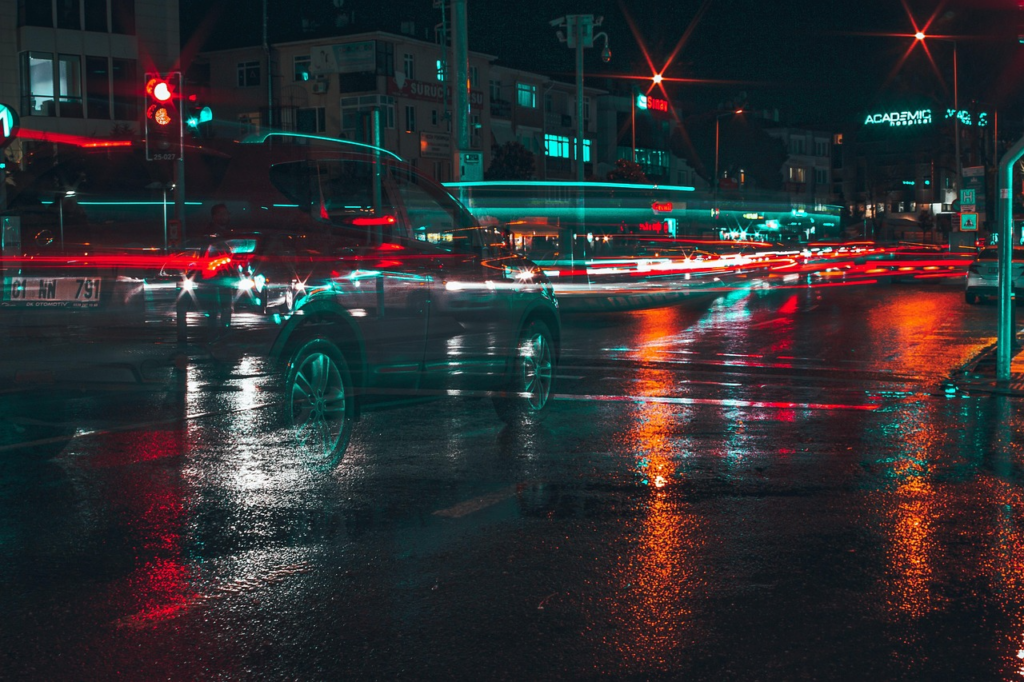
Are you looking to drive safer and feel more confident every time you hit the road at night?
Driving at night is one of the most dangerous activities millions of people do everyday. In fact…
Driving at night is nine times deadlier than driving during daytime hours.
Wow. That’s sobering.
The reality is that most people don’t take nighttime driving seriously enough. They treat night driving like day driving… even though the dangers are very different.
Fortunately, there are precautions you can take that drastically lower your chances of being in a nighttime car accident. Everything from knowing your DUI checkpoint rights in Colorado to keeping your headlights clean… There are definite steps you can take to prepare for night driving.
In this article you’ll learn
- Why Driving After Dark Is So Dangerous
- The Biggest Nighttime Driving Hazards
- How To Handle DUI Checkpoints Like A Boss
- 5 Tips To Become a Smarter Nighttime Driver
Why Driving After Dark Is So Dangerous
Bear with me for a second…
Approximately 75% of all vehicle miles traveled occur during daylight hours. And yet research shows that almost half of all deadly accidents happen at night.
Driving at night is far more dangerous than driving during the day. And it’s for a number of reasons:
- You can’t see as well. Drivers only have their headlights to light up the road ahead of them. Depending on the strength of their bulbs, headlights only reach about 350 feet in front of a vehicle.
- Drivers are more tired at night. Did you know your body’s circadian rhythms kick into gear after sunset? Night drivers tend to have slower reaction times and make more mistakes.
- There are more drunk drivers on the roads at night. Drunk drivers. Drug drivers. Impaired drivers of all kinds are far more prevalent after dark. Weekend nights between the hours of 10PM and 3AM are the absolute worst.
This combination of factors makes driving at night extremely dangerous.
But here’s the crazy part…
Most people don’t adjust their driving habits to account for nighttime conditions. They drive like it’s broad daylight when the exact opposite should be true.
The Biggest Nighttime Driving Hazards
As with most things in life, knowledge is power.
Knowing what you’re getting yourself into at night is the first step to staying safe. Here are the three biggest nighttime driving dangers:
Visibility: Headlights don’t illuminate very far ahead. Dark roads with poor lighting, faded lane markings and hidden traffic signs don’t help either. Even driving on well lit streets at night can be difficult because of oncoming headlights.
Fatigue: Nobody wants to admit they get sleepy behind the wheel. But driving tired is absolutely lethal. It’s responsible for tens of thousands of car crashes every year. Don’t drive when you know you should be asleep!
Impaired drivers: Drivers under the influence of drugs or alcohol cause way too many nighttime crashes. Roughly one-third of all fatal nighttime crashes involve an alcohol impaired driver. That’s 3x more likely than being involved in a daytime crash with a drunk driver.
How To Handle DUI Checkpoints Like A Boss
Needless to say… Drunk drivers are a huge problem at night. Particularly between the hours of 10PM and 3AM on weekends.
That’s why law enforcement tries to deter drunk drivers with DUI checkpoints.
DUI checkpoints can be intimidating if you don’t know what to expect. But that doesn’t mean they have to be!
Below is everything you need to know about DUI checkpoints. If you’re stopped at a checkpoint, stay calm and remember these tips:
Knowledge is power. The more you know about DUI checkpoints, the less you’ll fear them.
Be respectful, polite and compliant. Police officers are only doing their job at checkpoints. You’ll get through them faster if you’re respectful and follow their instructions.
Have your documentation ready. Keep your license, registration and insurance card somewhere you can access them quickly. Reaching into ticket trays and bags when your vehicle is stopped looks suspicious.
Know that you’ll be asked a few simple questions. Officers will ask where you’re coming from and where you’re going. They’ll also ask you to step out of the vehicle so they can look for signs of impairment.
As long as you stay sober and follow the above tips… You have nothing to worry about at DUI checkpoints.
5 Tips To Become a Smarter Nighttime Driver
Alright, now for some useful information.
The following 5 tips can help any driver become safer after dark:
Clean Your Lights
Headlights get dirty. REALLY dirty. Driving with dirty headlights can decrease your visibility by up to 90%.
That’s bad.
Make sure you clean your headlights regularly. You should also make sure ALL your lights are working as they should be. Fix or replace burned out bulbs and don’t forget your brake lights and taillights either.
Misaimed headlights can also cause problems for other drivers. If your headlights are staring at the sky instead of the road… Other drivers will have a hard time seeing AND you’ll have trouble seeing where you’re going.
Slow Down
Driving slower = More time to react.
Give yourself more time to see and react to obstacles in the road at night. It’s harder to see debris, animals and pedestrians after dark. If you must, drive below the speed limit at night.
Avoid Distractions
Kids. Drinks. Food. GPS. There are a million and one things that can distract you from the task of driving.
Nighttime driving requires your full attention. Eliminate any distractions you can before you start driving and keep them eliminated while you drive.
If you need to fiddle with the GPS, audiobook or roll down a window… Pull over first.
Plan Your Route
Never drive down a road you haven’t been on before at night.
If you must take an unfamiliar route, make sure it’s well lit and traveled. Sticking to major roads as much as possible at night is the safest approach.
If you’re going on a long road trip, plan your route and know where rest stops are located in case you get tired.
Never Drive Drowsy
This tip is too important to not include bold text.
If you start to feel drowsy on a drive, pull over and rest.
There’s no question about it. Driving while sleepy can kill you and others on the road. It’s just as dangerous as driving drunk.
If you feel tired, pull over and rest up. Don’t chance it.
The Bottom Line
Nighttime driving is a dangerous proposition.
If you’re not careful, there’s a lot that can go wrong. Whether it’s drunk drivers, fatigue or simply not seeing hazards in time…
Driving at night is nine times more dangerous than driving during the day. But that doesn’t mean you should live in fear of it.
Take these tips and use them to prepare yourself the next time you drive at night. From maintaining your vehicle to planning your route and avoiding distractions… Small changes to your habits can make a big difference.
Drive safe tonight.