
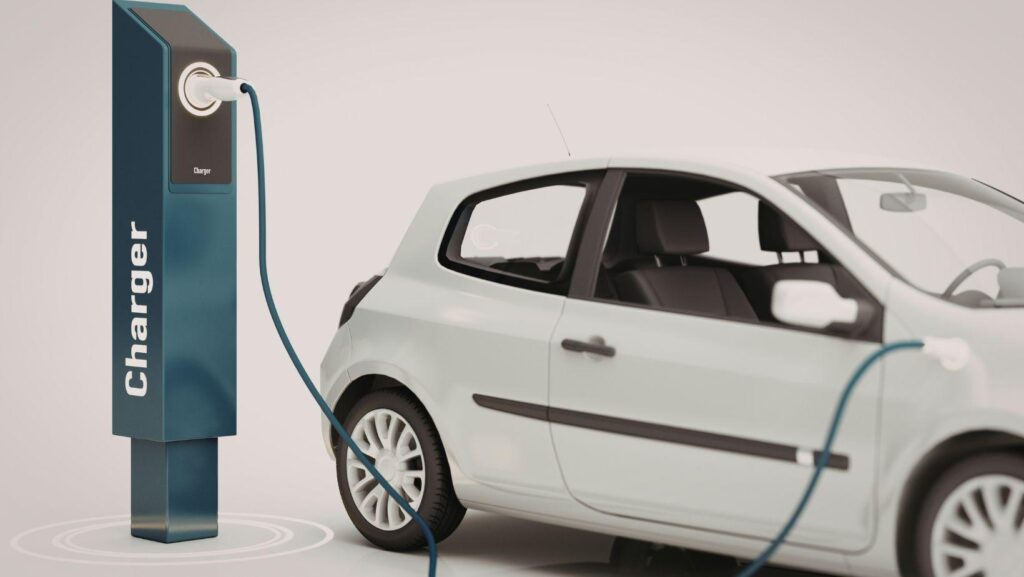
The automotive world is changing quicker than a supercar on a racetrack. While walking a path towards sustainability many drivers are seeking out reliable platforms to change their lifestyle just like online players would find ufabet เว็บตรงไม่ผ่านเอเย่นต์ which tells them that they are dealing with the direct and secure source of gaming content. The right tech in a car is as important as entering directly on the web for your hobby; it’s all about efficiency, speed and middleman cutting.
The Rise of Sustainable Performance
The thrust of modern day engineering is achieving this balance between some power and environmental irresponsibility. And we aren’t just talking better batteries; we’re talking a complete rethinking of how a vehicle breathes and moves.
Solid-State Battery Technology
Lithium-ion batteries are great for now, but there is a limit. Solid-state batteries would double current EV range and reduce charging time to less than ten minutes.
More power, in a smaller, lighter package. These batteries use solid electrolytes that are far less flammable than the liquid ones in use today. They are reversibly charged and can endure more charge cycles before degradation.
Biometric Vehicle Access
No keys or even phone apps. Cars of the future will know you by your fingerprint or retina scan.
The moment the car recognizes you, it will set your seat as well as the mirrors and climate control. In other words, it is considerably more difficult to “hack” a thumbprint than a radio signal from a key fob. Some systems even monitor your heart rate to help you not be so stressed or tired that you can’t drive.
Smart Infrastructure and Connectivity
While machines that transport us in isolation, cars aren’t on their own anymore; they are joining a vast interconnected network. This “Internet of Vehicles” enables cars to communicate with one another and the road itself.
Vehicle-to-Everything (V2X) Communication
This technology enables your car to get signals from traffic lights, stop signs and even other cars around a blind corner.
Crash Prevention: Your car will know that a vehicle three cars in front has suddenly slammed on its brakes.
Traffic flow: Imagine a world where traffic lights remain green because they know a fleet of cars will soon arrive.
Energy Conservation: Reducing “stop-and-go” driving means cars consume far less energy.
Augmented Reality (AR) Dashboards
Why look down at a screen when the info can be on the glass? AR HUDs overlay the course of navigation lines directly on the road surface from a driver’s perspective.
Ensures you always have your eyes on the road. Tells you specifically which exit to take in a complex 5-way intersection. Can pick out pedestrians or animals if dark, infrared actuators
The Evolution of Interior Comfort
As cars trend toward autonomy, the interior is a “cockpit” transforming into a “living room.”
Sustainable Interior Materials
Leather is being supplanted by high-tech fabrics derived from recycled ocean plastics, mushroom fibers and the leaves of pineapples.
Vegan Leather: Gives you the same sense of luxury without the eco damage.
Recycled Carbon Fiber: Panels produced with scraps from aircraft factories for lightweight dash applications.
Air Purification: State-of-the-art HEPA filters which ensure cabin air is cleaner than outside.
AI-Driven Personal Assistants
Your car will soon know your schedule better than you do. If it’s Tuesday at 8:00 AM, it will already have your office entered into the GPS and your favorite podcast queued.
Complete domination of all functions in the vehicle just by not clicking a button. The vehicle will inform you when it needs a component replaced prior to actually breaking. Some A.I. can tell if a driver is angry and play calming music or recommend the driver take a break.
Wireless On-the-Go Charging
Imagine a lane on the highway specifically made to charge your battery as you drive over it. It is already being trialed in regions of Europe and the US.
Infinite Range: A long road trip wouldn’t necessarily require you to plug in.
Less Need for Batteries: If roads can charge cars, it may be possible to equip vehicles with smaller and lighter batteries, reducing car costs.
Lower Load on the Grid: The charge is spread along driving cycles instead of everyone plugging in at 6 PM.
The Transition to Automotive
Switching to electric and smart vehicles is about more than just switching the fuel source. It’s about changing how the driver interacts with the machine. We are updating to a future in which accidents will be uncommon, “re-fueling” invisible and the automobile a partner instead of just a tool.